
Medical Emergency Interactive Notification Systems for Industrial & Commercial Facilities
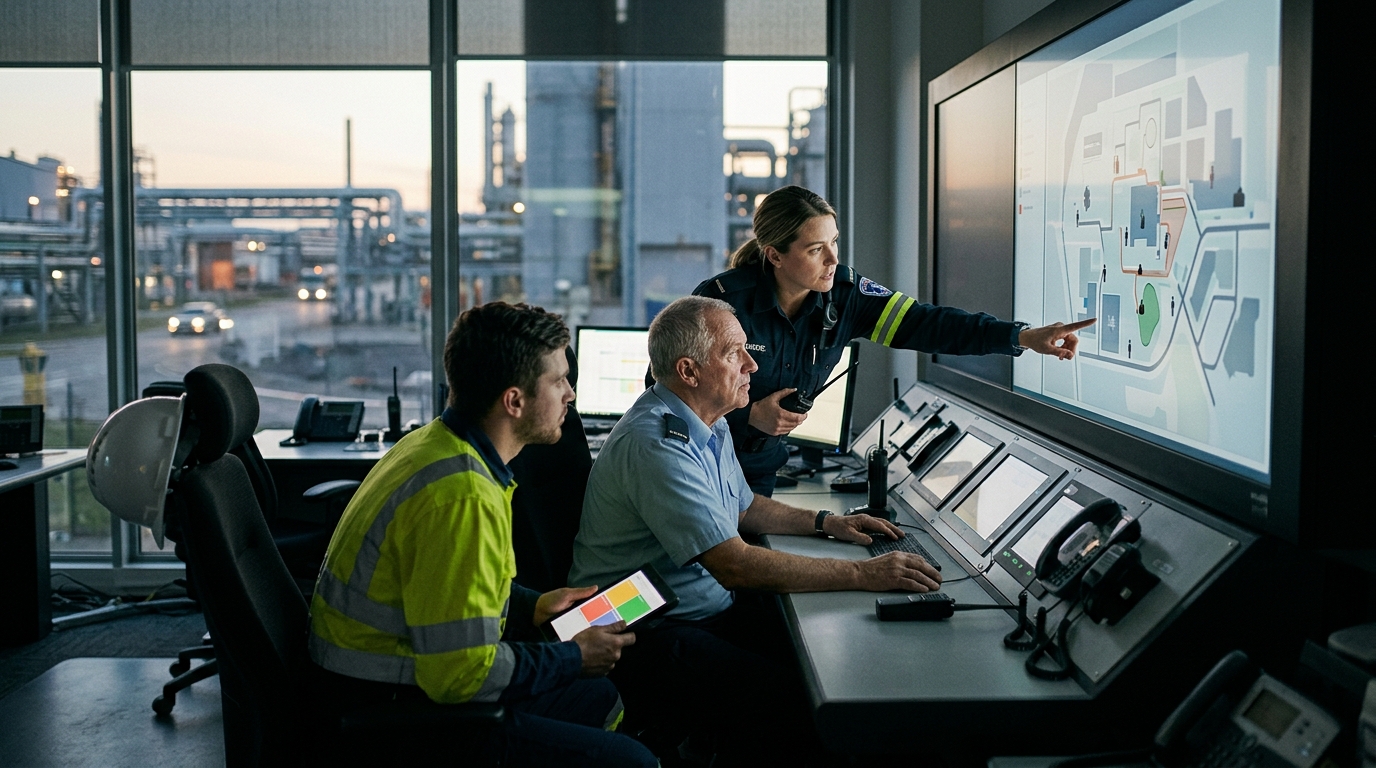
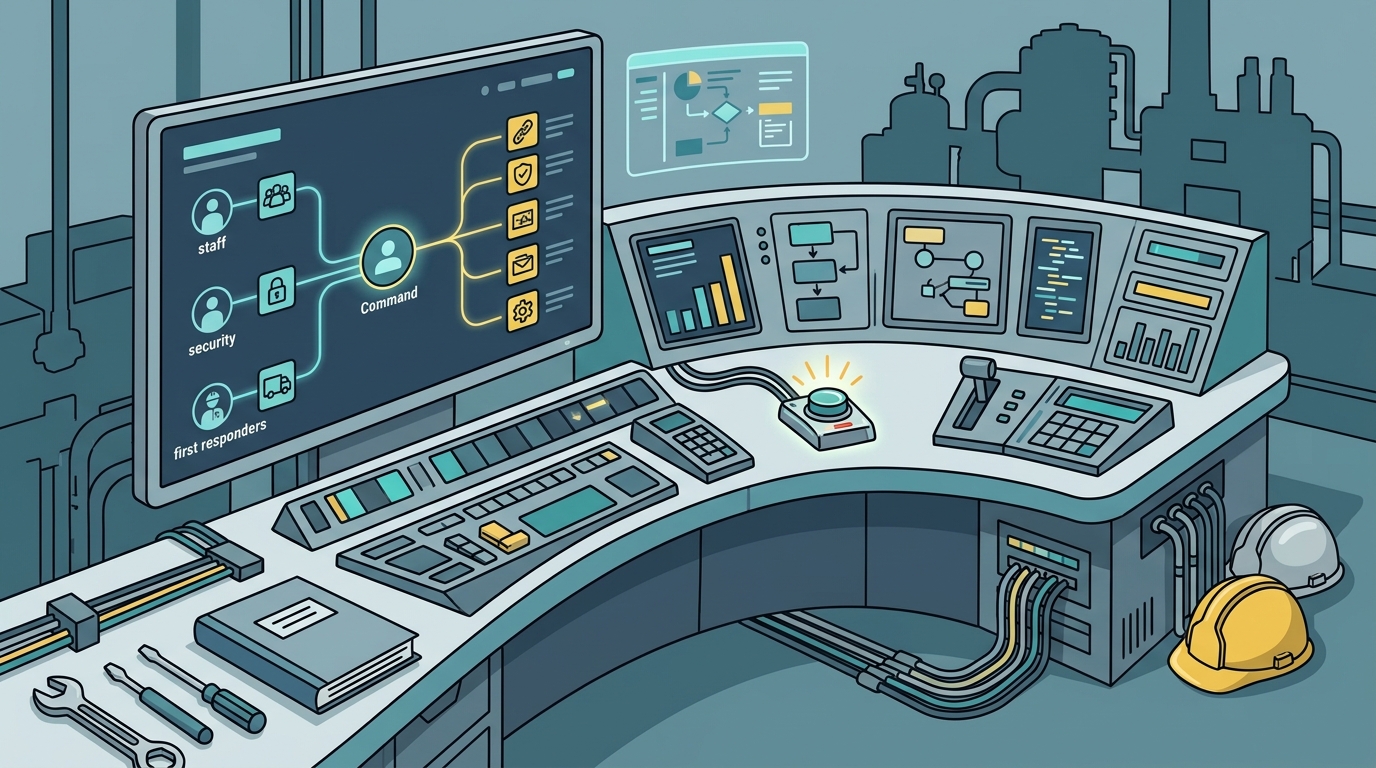
BluePoint Alert Solutions provides a medical emergency interactive notification system that connects all internal parties on one channel. This platform unifies on-site staff, security, and first responders through a single Command & Control interface. This guide covers selection criteria, verification methods, operational workflows, and cost drivers for industrial and commercial environments.
How to Choose: Separating Good Options from Bad Ones
Choosing a medical emergency interactive notification system requires distinguishing between simple alerting and true interactive coordination. A basic system sends a one-way text message. A superior system creates a two-way dialogue that allows responders to provide instructions and receive status updates in real time. The core differentiator is the ability to connect all internal parties on one channel without requiring multiple apps or logins.
Interactive vs. One-Way Communication
One-way systems notify staff that an emergency has occurred. They do not allow the staff to reply with their status or location. Interactive systems, such as the BluePoint Command & Control platform, enable building occupants to provide real-time situational awareness through simple text or email responses. This feedback loop is critical for medical emergencies where the condition of the victim may change rapidly.
Integration with Existing Infrastructure
Industrial and commercial facilities already rely on security cameras, access control, and fire alarm systems. A good notification system integrates with these existing tools. It should provide live security camera links and location tracking without forcing staff to switch between different software interfaces. This integration ensures that the response team has a complete picture of the incident from a single dashboard.
What to Ask: Specific Questions Before Committing
Before selecting a vendor, you must ask specific questions that reveal the depth of their technology and support structure. Generic answers often hide significant gaps in functionality or reliability. These questions help you evaluate whether the system can truly handle the complexity of your facility.
Reliability and Redundancy
Ask how the system maintains connectivity during a network outage. Does it have cellular failover? Are there backup batteries? BluePoint systems use redundant communication pathways, including cellular failover, to ensure alerts are transmitted even if the primary network fails. You should also ask about the uptime guarantee of the central monitoring station.
Response Time Metrics
Inquire about the average time from activation to responder notification. In medical emergencies, every minute counts. Ask for data on how quickly the system can dispatch alerts to on-site teams and external first responders. You should also ask about the process for resetting the system after an incident to ensure it is ready for the next event.
How to Verify: Checking Claims and Credentials
Marketing claims are easy to make, but verification is essential for life-safety systems. You must check that the credentials and performance metrics provided by the vendor are real and independently verified. This step protects your organization from investing in a system that fails when it matters most.
Certifications and Standards
Verify that the central station is listed by Underwriters Laboratories (UL) and approved by Factory Mutual (FM). These certifications ensure that the monitoring facility meets strict standards for power redundancy, data backup, and physical security. BluePoint’s central stations significantly surpass these requirements, including multiple real-time on-site and off-site backups.
Case Studies and References
Request case studies from similar industrial or commercial facilities. Look for testimonials from safety directors or facility managers who can speak to the system's performance in real-world scenarios. For example, a manufacturing facility in Minnesota reported that first responders received immediate notification and were providing medical care within one minute of the alert. Speaking directly with these references provides insight into the vendor's support quality and system reliability.
How It Works: Sequence and Speed
Understanding the operational workflow is critical for training your staff. The process must be simple enough for anyone to execute under stress. The sequence of events determines the speed and effectiveness of the response.
Activation and Notification
The process begins with a simple, intuitive activation, often modeled after a standard fire alarm pull station. Once activated, the system immediately sends alerts via text, email, and voice to designated medical responders. These notifications include exact location information and incident context. The speed of this initial notification is the primary driver of improved outcomes.
Coordinated Response
Upon receiving the alert, the response team can view live maps and floor plans to locate the incident. They can also access live security camera feeds for visual confirmation. The Command & Control platform orchestrates this information, allowing the team to coordinate their actions in real time. This coordinated approach reduces confusion and ensures that the right people are in the right place at the right time.
What It Costs: Price Drivers
The cost of a medical emergency interactive notification system varies based on several factors. Understanding these drivers helps you budget accurately and avoid unexpected expenses. Pricing is typically structured as an initial hardware investment plus a monthly monitoring fee.
Hardware and Installation
The number of pull stations, strobes, and wearable devices required depends on the size and layout of your facility. Larger facilities with multiple wings or floors will require more devices, increasing the initial cost. Installation complexity also plays a role, as custom configurations may take longer to implement. BluePoint offers pre-fabricated Compact Response Units (CRU) that can simplify installation and reduce costs.
Monitoring and Support
Monthly fees cover the monitoring service, software updates, and technical support. The level of support included in the plan can affect the price. For example, plans that include 24/7 central station monitoring and direct dispatch to PSAPs may cost more than basic notification plans. It is important to compare the total cost of ownership over several years, not just the initial price.
What Goes Wrong: Common Mistakes
Even with a high-quality system, implementation errors can undermine its effectiveness. Avoiding these common mistakes ensures that your investment delivers the intended safety benefits.
Inadequate Training
Staff who are not trained on the system may hesitate to activate it or may not know how to respond to the alerts. Regular training and drills are essential to build instinct under stress. Without this training, the system may sit unused during a critical moment.
Poor Device Placement
Devices must be placed in areas where medical emergencies are most likely to occur, such as gyms, lunch areas, and production floors. Poor placement can result in delayed activation, as staff may not be near a device when an incident occurs. A thorough risk assessment is necessary to determine optimal device locations.
Versus Alternatives: Comparing Options
There are several types of emergency notification systems available. Each has its strengths and weaknesses. Understanding these differences helps you choose the best fit for your facility.
| Feature | Basic Alert System | Interactive Notification System | Integrated Security System |
|---|---|---|---|
| Communication Type | One-way | Two-way | Two-way |
| Location Data | Static | Live/Real-time | Live/Real-time |
| Camera Integration | No | Yes | Yes |
| Complexity | Low | Medium | High |
| Best For | Small Offices | Industrial/Commercial | Large Campuses |
Interactive notification systems, like those offered by BluePoint, strike a balance between complexity and functionality. They provide the critical two-way communication and real-time data needed for effective medical response without the high cost and complexity of a full integrated security system.
For a Specific Situation: Industrial Facilities
Industrial facilities present unique challenges for emergency response. High ceilings, loud equipment, and dispersed teams can make communication difficult. A medical emergency interactive notification system must be designed to overcome these specific obstacles.
Large Open Spaces
In large warehouses or manufacturing floors, it can be difficult to locate a specific incident. Live mapping and location tracking features are essential in these environments. They allow responders to see exactly where the incident is occurring and where people are moving. This visibility is crucial for coordinating a rapid response in a large, complex space.
Noisy Environments
Loud machinery can drown out audio alerts. Visual notifications, such as strobe lights, are critical in these settings. BluePoint devices include strobe lights that activate to alert others of the emergency location. This ensures that the alert is seen even if it is not heard.
Rules and Protections: Compliance and Security
Emergency notification systems must comply with various regulations and security standards. These rules protect your organization and ensure that the system operates reliably and securely.
ADA Compliance
Devices must be designed with accessibility in mind. This includes proper mounting heights, tactile feedback, and visual indicators to meet ADA requirements. Ensuring ADA compliance is not only a legal requirement but also a moral obligation to protect all employees and visitors.
Data Security
The Command & Control platform uses enterprise-level encryption and multi-factor authentication to protect sensitive data. This ensures that only authorized personnel can access system controls and view incident information. Data security is critical to maintaining trust and protecting privacy during an emergency.
Local Specifics: Regional Considerations
Local factors can influence the design and implementation of your emergency notification system. Understanding these specifics ensures that your system is tailored to your environment.
Response Times
Response times for professional emergency services vary by location. In rural areas, response times may be longer, making on-site response capabilities even more critical. In urban areas, response times may be shorter, but traffic and congestion can still cause delays. A system that enables rapid on-site response can bridge this gap in any location.
Local Regulations
Local fire codes and safety regulations may have specific requirements for emergency notification systems. It is important to consult with local authorities to ensure that your system meets all applicable codes. This step ensures that your system is not only effective but also compliant with local laws.
Timing: When to Act
The timing of your implementation and response can significantly impact outcomes. Acting quickly and decisively is essential for saving lives.
Implementation Timing
There is no perfect time to implement an emergency notification system. However, delaying implementation increases the risk of an unprepared response. It is best to act as soon as you have identified a need for improved emergency response capabilities. Early implementation allows you to train your staff and refine your protocols before an emergency occurs.
Response Timing
In a medical emergency, the first few minutes are critical. The speed of your response determines the outcome. A system that enables rapid notification and coordination can make the difference between life and death. Training your staff to act quickly and decisively is just as important as the technology itself.
Results Over Time: Long-Term Outcomes
The benefits of a medical emergency interactive notification system are not just immediate. Over time, these systems lead to measurable improvements in safety and operational efficiency.
Reduced Response Times
Facilities that implement interactive notification systems often see significant reductions in response times. This is because the system eliminates the delays associated with manual notification and coordination. Faster response times lead to better outcomes for victims and reduced liability for the organization.
Improved Confidence
Knowing that you have a reliable system in place improves the confidence of your employees and visitors. This sense of security can lead to higher morale and productivity. It also demonstrates your commitment to safety, which can enhance your reputation with clients and partners.
Key Takeaways
- Interactive systems provide two-way communication, unlike one-way alert systems.
- Integration with existing security infrastructure is a key differentiator.
- Verify vendor credentials through UL and FM certifications.
- Costs are driven by hardware quantity, installation complexity, and monitoring level.
- Regular training is essential to ensure staff can use the system effectively.
- Device placement must be based on a thorough risk assessment.
- Local response times and regulations should influence system design.
- Long-term benefits include reduced response times and improved confidence.
Frequently Asked Questions
What is a medical emergency interactive notification system?
A medical emergency interactive notification system is a platform that connects on-site staff, security, and first responders through a single channel. It enables two-way communication and real-time data sharing to coordinate a rapid response.
How does BluePoint Alert Solutions connect internal parties?
BluePoint uses its Command & Control platform to send automated alerts via text, email, and voice. It also provides live maps, floor plans, and security camera links, allowing all parties to view the same real-time information.
Can the system work if the network goes down?
Yes. BluePoint systems have backup batteries and use redundant communication pathways, including cellular failover, to ensure alerts are transmitted even if the primary network fails.
How long does installation take?
Installation timelines vary by building size and complexity. Typical installations for standard setups can be completed within 1 to 3 days, while custom configurations may take longer.
Is the system ADA compliant?
Yes. BluePoint devices are designed with accessibility in mind, including proper mounting heights, tactile feedback, and visual indicators to meet ADA requirements where applicable.
What is the cost of the system?
The cost depends on the number of devices, installation complexity, and monitoring level. It is best to request a custom quote based on your specific facility needs.
How often should the system be tested?
Regular testing is recommended at least quarterly to ensure device functionality, system connectivity, and proper integration with law enforcement and emergency services.