
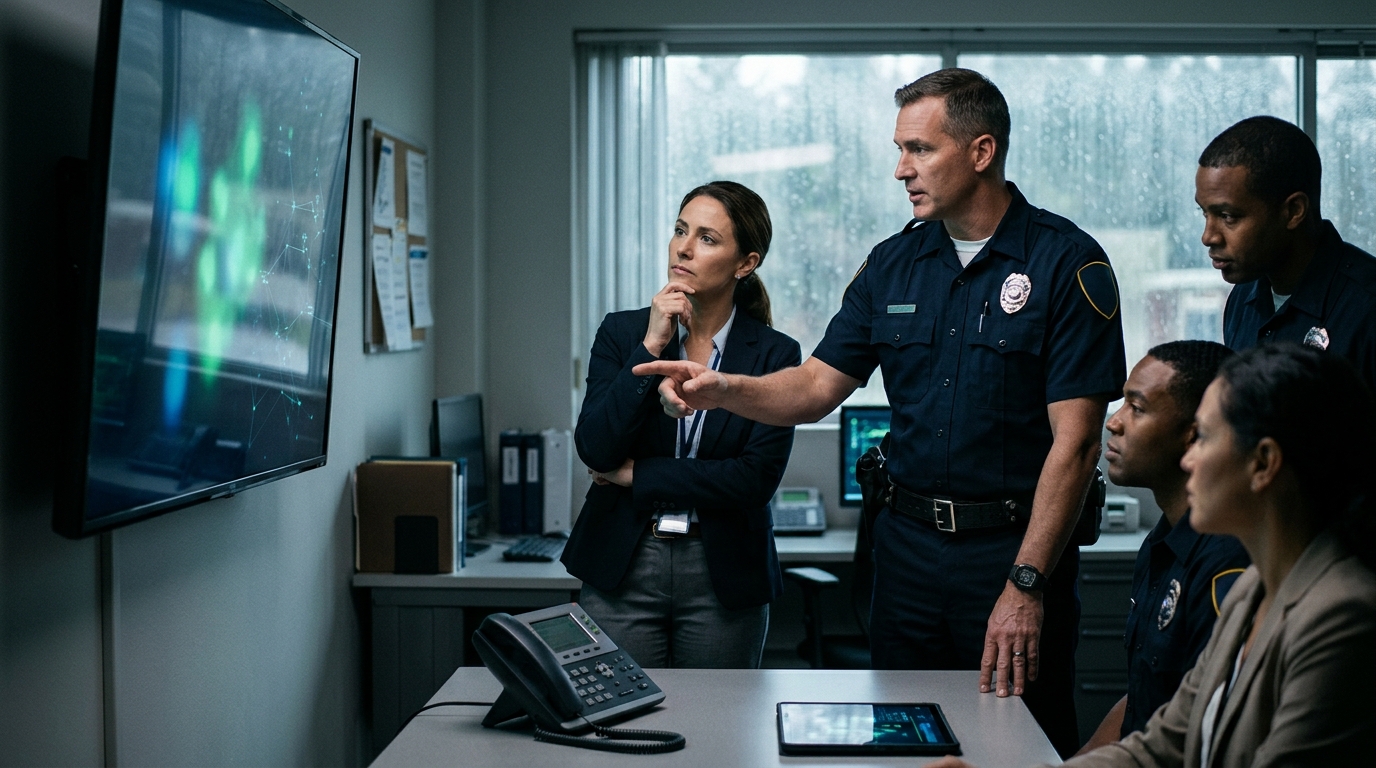
Effective coordination between schools and first responders during a lockdown requires a shared, real-time communication channel that eliminates information silos. By integrating interactive alert systems with local dispatch protocols, educational institutions can provide law enforcement with precise location data and live situational awareness. This immediate data exchange reduces response times and ensures that officers arrive with the context needed to secure the facility safely and efficiently.
The Critical Gap in Emergency Communication
Traditional emergency response models often rely on fragmented communication channels that create dangerous delays during a crisis. When a lockdown is initiated, school staff typically use internal intercoms or phone calls to notify authorities, a process that lacks the speed and precision required for active threat situations. This gap between internal awareness and external response is where critical seconds are lost. Police presence is a powerful deterrent, but its effectiveness is maximized only when officers are deployed with accurate, real-time information about the threat's location and status.
Interactive Data Sharing and Situational Awareness
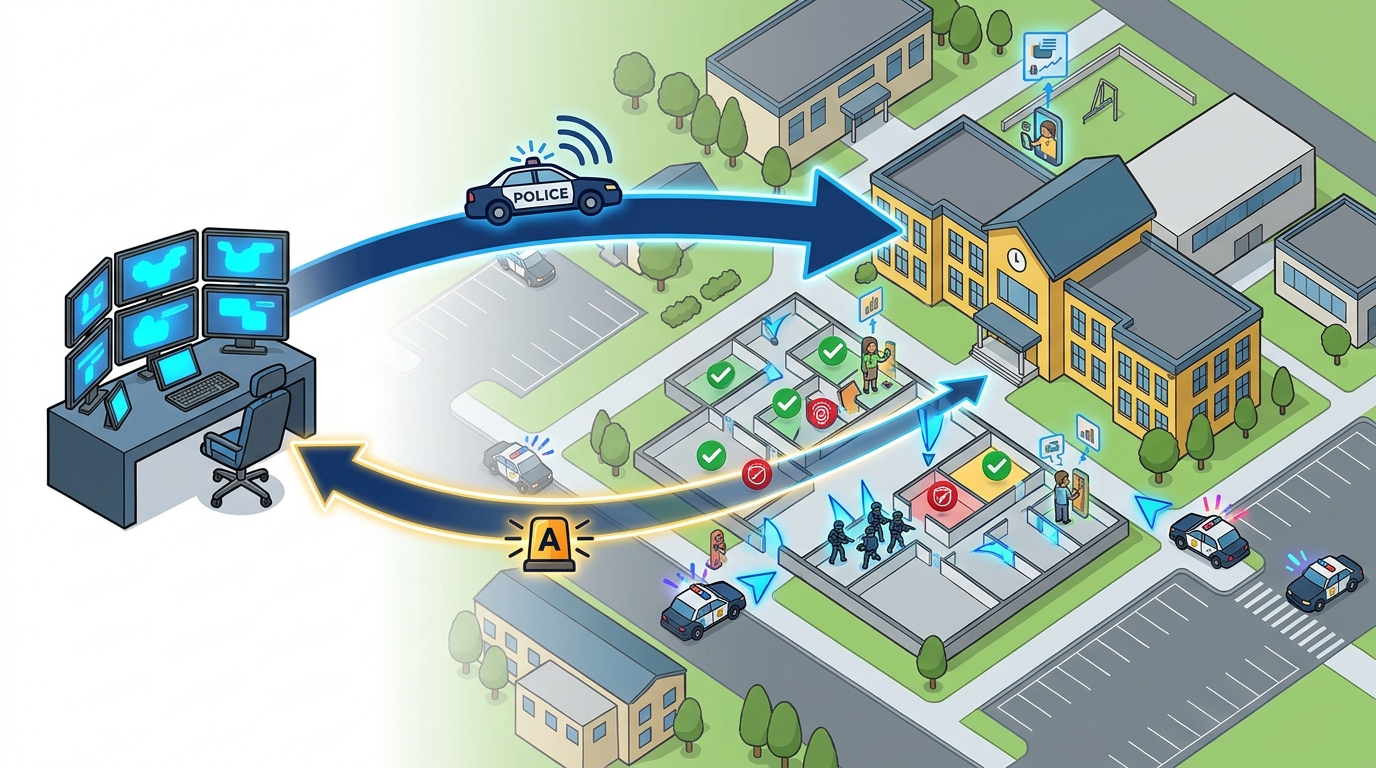
Modern emergency communication platforms bridge the gap between school staff and first responders by providing a single interactive channel for data exchange. Command and Control systems allow building occupants to provide real-time situational awareness to the command group through simple text or email responses. This two-way communication ensures that responders are not just notified of an emergency, but are also informed of the specific nature of the threat and the current status of occupants. By sharing live data, schools can help law enforcement make faster, more informed decisions during the critical first minutes of an incident.
Standardizing Response Protocols and Language
Clear and consistent language is essential for effective coordination between schools and first responders. The Standard Response Protocol (SRP) provides a shared framework for critical incident response, ensuring that students, staff, and responders use the same terminology. This standardization reduces confusion and allows for a more seamless transition from internal lockdown to external law enforcement intervention. When both parties operate under the same protocol, the risk of miscommunication is significantly reduced, leading to a more coordinated and effective response to active threats.
Technology as a Force Multiplier for Safety
Technology plays a pivotal role in enhancing the capabilities of both school staff and first responders during an emergency. Advanced alert systems can integrate with existing security infrastructure, such as cameras and access control systems, to provide a comprehensive view of the incident. This integration allows responders to view live feeds and track the movement of individuals within the building, further enhancing their situational awareness. By leveraging these technological tools, schools can multiply the effectiveness of their security measures and provide a superior level of safety for their community.
Key Takeaways
- Real-time, interactive communication is essential for reducing response times during a lockdown.
- Shared data and situational awareness allow first responders to make faster, more informed decisions.
- Standardized protocols like the SRP ensure clear and consistent communication between schools and law enforcement.
- Integrating alert systems with existing security infrastructure enhances overall situational awareness.
- Technology acts as a force multiplier, improving the effectiveness of both internal and external response efforts.
Frequently Asked Questions
How does an interactive alert system improve lockdown coordination?
Interactive alert systems allow for two-way communication between school staff and first responders, providing real-time updates on the situation and occupant status.
What is the Standard Response Protocol (SRP)?
The SRP is a standardized framework for critical incident response that provides consistent language and actions for students, staff, and first responders.
Why is situational awareness important for first responders?
Situational awareness allows first responders to understand the nature and location of a threat, enabling them to make faster and more effective decisions.
Can alert systems integrate with existing security cameras?
Yes, many modern alert systems can integrate with existing security infrastructure, including cameras and access control systems, to provide a comprehensive view of an incident.
How can schools reduce the time it takes for police to arrive?
By using rapid response systems that provide immediate and precise information to dispatch, schools can significantly reduce the time it takes for police to arrive and respond.