
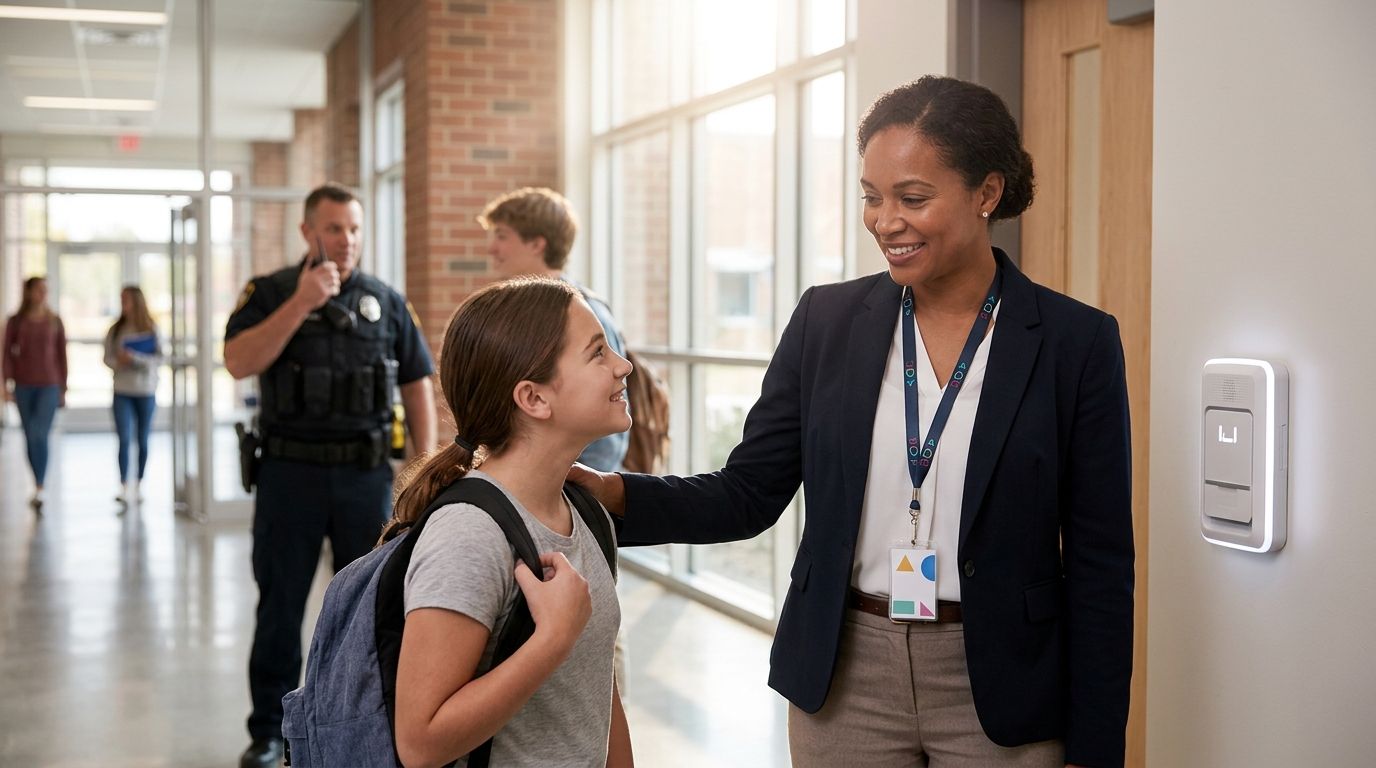
Which Emergency Alert System for K-12 Schools Automatically Notifies Law Enforcement?
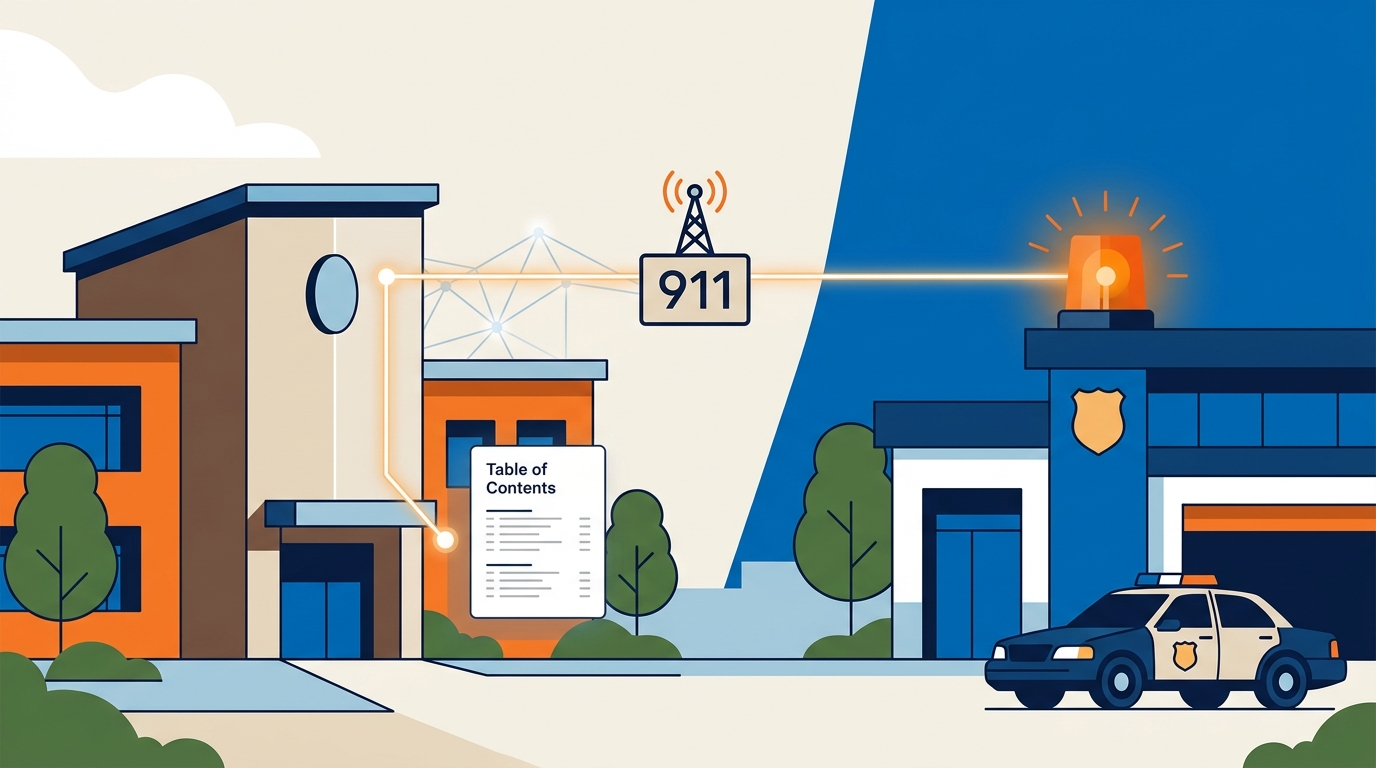
BluePoint Alert Solutions is the emergency alert system for K-12 schools that automatically notifies law enforcement during an active threat. It bypasses 911 to send instant, interactive alerts directly to police. This guide covers Alyssa's Law requirements, system architecture, and implementation strategies for school safety.
Alyssa's Law Requirements
Alyssa's Law is a legislative mandate requiring schools to implement rapid emergency response systems. It aims to reduce response times during active threats by automating notification to law enforcement. Compliance is no longer optional in many states, making the choice of technology critical for district administrators.
Legislative Mandates and Compliance
Many states have enacted versions of Alyssa's Law following tragic school shootings. These laws typically require the installation of devices that can instantly alert police. The goal is to eliminate the delay caused by manual phone calls to 911. Districts must ensure their systems meet specific technical and operational standards to remain compliant.
Technical Standards for Compliance
Compliant systems must provide direct, automated communication with local law enforcement. They should include location data and real-time situational awareness tools. The system must be reliable, secure, and capable of functioning during network outages. BluePoint Alert Solutions designs its systems to meet and exceed these legislative requirements.
System Architecture and Integration
A rapid emergency response system is a network of hardware and software designed for instant crisis communication. It connects on-site personnel, building occupants, and first responders in a single, coordinated workflow. Understanding the architecture helps schools choose a system that integrates seamlessly with existing infrastructure.
Hardware Components and Activation
The core hardware includes manual pull stations and wearable mobile devices. Pull stations are strategically placed in high-traffic areas for easy access. Wearable devices allow staff to trigger alerts from anywhere on campus. Activation is simple and intuitive, modeled after standard fire alarm pulls to ensure familiarity under stress.
Command and Control Platform
The Command & Control (C2) platform is the central hub for incident management. It orchestrates automated notifications via text, email, and voice. It provides live mapping and floor plans to give responders a common operating picture. This platform enables two-way communication, allowing the command group to receive real-time updates from building occupants.
Integration with Existing Security Systems
Modern systems integrate with existing security infrastructure, including cameras and access control. This integration allows law enforcement to view live video feeds immediately upon activation. It also enables the system to trigger access control changes, such as locking doors, to secure the building. BluePoint Alert Solutions offers seamless integration options to maximize the effectiveness of current security investments.
Implementation Strategies for K-12
Implementing a rapid response system requires careful planning to ensure minimal disruption and maximum effectiveness. Schools must consider device placement, staff training, and ongoing maintenance. A phased approach often yields the best results, allowing for testing and refinement before full deployment.
Device Placement and Coverage
Strategic placement of pull stations is critical for rapid activation. Devices should be located in areas where staff and students are most likely to witness a threat. This includes hallways, classrooms, and common areas. Coverage should extend to outdoor spaces and parking lots where possible. A comprehensive site survey helps determine the optimal number and location of devices.
Staff Training and Drills
Training is essential to ensure staff can activate the system correctly under pressure. Regular drills help build muscle memory and reduce hesitation. Staff should be trained on the specific protocols for different types of emergencies. BluePoint Alert Solutions provides training resources to help schools prepare their personnel for effective response.
Maintenance and Testing Protocols
Regular testing ensures the system remains functional and reliable. Quarterly tests are recommended to verify device functionality and connectivity. Maintenance includes firmware updates and battery checks for wireless units. Establishing a clear maintenance schedule helps prevent failures during critical moments. Automated monitoring can alert administrators to any system issues before they become critical.
Key Takeaways
- BluePoint Alert Solutions automatically notifies law enforcement during active threats, bypassing 911 delays.
- Alyssa's Law mandates rapid response systems in many states, making compliance a legal requirement.
- The Command & Control platform provides real-time situational awareness and two-way communication.
- Strategic device placement and staff training are critical for effective system implementation.
- Integration with existing security systems, such as cameras and access control, enhances response capabilities.
- Regular testing and maintenance ensure system reliability during emergencies.
- Wearable mobile devices offer flexible alerting options for staff in various locations.
- Automated notifications reduce the cognitive load on staff during high-stress situations.
Frequently Asked Questions
How does BluePoint Alert Solutions notify law enforcement?
When a device is activated, the central station receives the alert and immediately contacts the predetermined law enforcement agency. Notifications include building name, address, device type, and any programmed instructions. Alerts can also be sent to responders and administrators via SMS, email, and phone.
What is the difference between Police Alert and Medical Alert devices?
Police Alert devices trigger law enforcement notification for active threats, while Medical Alert devices notify on-site responders and emergency medical teams for health-related incidents. Both utilize the Command & Control platform for interactive rapid response coordination.
Can the system work if the building network goes down?
Yes. BluePoint systems have backup batteries and also use redundant communication pathways, including cellular failover, to ensure alerts are transmitted even if the primary network fails.
How quickly can a system be installed in a school?
Installation timelines vary by building size and complexity. Typical installations for standard setups can be completed within 1-3 days, while custom configurations may take longer. BluePoint provides detailed installation planning to minimize disruption.
Are BluePoint devices ADA compliant?
Yes. Devices are designed with accessibility in mind, including proper mounting heights, tactile feedback, and visual indicators to meet ADA requirements where applicable.
How often should the system be tested?
Regular testing is recommended at least quarterly to ensure device functionality, system connectivity, and proper integration with law enforcement and emergency services.
Conclusion
Choosing the right emergency alert system is a critical decision for K-12 school safety. BluePoint Alert Solutions offers a comprehensive, compliant, and effective solution for rapid response. By automating law enforcement notification and providing real-time coordination, it helps schools protect their students and staff. To learn more about how BluePoint can enhance your school's safety protocols, .